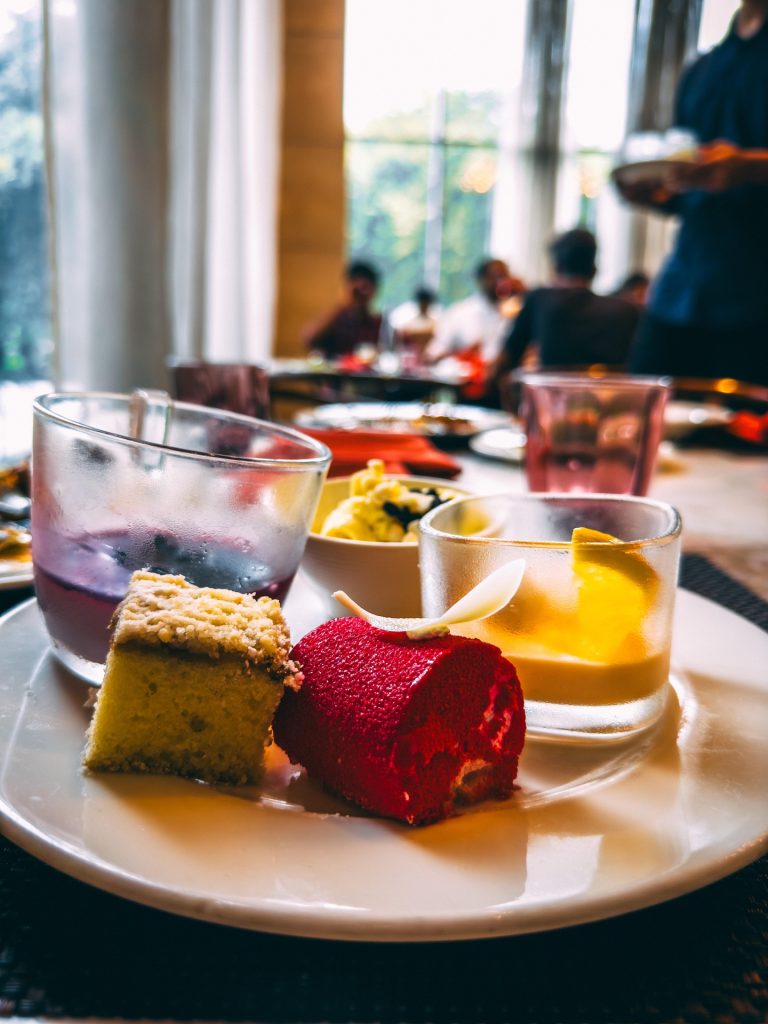
How to Meal Prep on a Budget
It is not expensive to eat a healthy diet. By planning a little, there is no reason for you to not be able to make tasty meals, save time and avoid food wastage! No fancy food or gourmet equipment is required. Establish Grocery Goals with learning How to Meal Prep on a Budget and put ingredients to your needs into your cart. Seasonal vegetables, lentils, oats, eggs, rice, beans are some of the simplest foods that can be used to make a multitude of meals.

Make a shopping list before going to the supermarket.
Meal planning gives you the advantage of not purchasing meals for which you may not have more money. Before shopping, determine for a few days how you want to eat your meals. Select a couple of easy breakfast, lunch and dinner ideas. List the food ingredients for each meal and then review your kitchen cupboards and refrigerator. It’s a great thing to use ingredients in multiple recipes in How to Meal Prep on a Budget.
To help you stay on track, budget for groceries for each week.
Set a limit on the amount of money you can afford to spend on groceries. Your budget should be able to provide for the expenses you need without that creating a strain on other important expenses. Be sure to write down all the items you need, and, just as important, make an effort to stick to the list. When available, be sure to compare the price per unit, and when comparing similar products, look for those that provide comparable features. Don’t go shopping when you’re unnecessarily hungry, or you’ll only end up buying additional snacks. It’s also simple to maintain an easy record of grocery expenses to keep track of what you are spending. It is easier with practice, as you find out what foods are a good value in the household.
Lastly, select the Affordable Basic Ingredients option.
These easy-to-make, inexpensive foods make for balanced meals. Certain ingredients work in a variety of recipes. These can all be added to shopping lists:
- Grains: Rice, wheat, oats, whole wheats pasta and barley.
- Some protein foods: Eggs, beans, lentils, chickpeas and canned fish.
- Vegetables: Carrots, cabbage, onions and seasonal vegetables.
- Fruit: Banana and apples and other, inexpensive local options.
Extras: Plain yogurt, herbs and spices and a small amount of cooking oil. Vitamins, minerals, protein, fiber and antioxidants are health benefits you’ll get from these foods, which can make delicious soups, salads and breakfast bowls, and filling dinners without breaking the bank.
Check for seasonal, frozen and canned produce.
Beyond the typical cost of fresh produce, it can be very expensive when it’s not in season. Seasonal fruits/vegetables can sometimes be more affordable as they are on the other hand plentiful. Another good option is frozen vegetables. They are readily available, long-lasting and can be incorporated into a variety of cooked foods. Shop around and select the best value for your foods. Not all veggies have to be fresh to enjoy. Careful use of How to Meal Prep on a Budget involves selecting foods according to value, quality, and amount that can be consumed before the food goes bad.
Reuse Food that you cannot eat.
Excision can get used as an ingredient for a later meal. Little planning can maximize what you have at your disposal. Serve remaining veggies in an omelet. Add cooked beans to soups and add extra chicken to sandwiches. Grains can be cooked with veggies for a faster lunchtime option, too. Do not leave leftovers in the refrigerator unlocked or exposed to the air and remember to label containers with the preparation date. Cooled leftovers can be stored for 3-4 days or refrigerated or frozen separately for future meals. Less food waste is essential for the How to Meal Prep on a Budget))) goal of reducing expenses on eating out – every food is used according to its value can save money on groceries.
Plan Easy, Home Meals
There do not need to be complicated recipes involved when indulging in an eating healthy lifestyle. Simple, home-prepared dishes are simple, straightforward, and easy on the wallet. Eat overnight oats for breakfast, lentil soup for dinner and chickpea salad for lunch. Vegetable-packed eggs are another great meal option. Use ingredients that can easily be gotten in the kitchen.
Store Food Properly
Effective storage will help protect and prevent food loss. Ensure that all containers are cleaned and have tight lids, and make sure that large quantities are split into smaller amounts. Cool perishable food to room temperature in two hours or less. Maintain a refrigerator temperature of 40° F or less. Freeze food if you don’t plan to cook it in the near future. Reheat leftovers to 165°F (74°C) when you reheat them.

Create a One-Simple-Week-at-A-Time Meal Plan
Having a routine, with clarity, can help prepare. It’s not necessary to cook for up to a full day. Simply use this easy plan:
- Step 1: Select 3 or 4 meals to plan throughout the week.
- Step 2: Make sure there is something available in the kitchen – write down a shopping list.
- Step 3: Purchase some cheaper ingredients that can be used in multiple recipes.
- 4. Cook in batches of grains, beans or other ingredients.
- Step 5: Portion food into containers and put away in a secure manner.
- Tip # 6: Have a few handy ingredients on hand for busy days. Even if you don’t have much time or cooking knowledge you can make things How to Meal Prep on a Budget easier to proceed with this method.
Recipes for Creativemeals.com
Over purchasing food is one of the common errors. Can cause wasted food, money and more. Use smaller amounts to get a feel for how much your family consumes. Another error is to select recipes which rely on numerous expensive ingredients. Search for easy recipes with general foods and adaptable ingredients. Avoid purchasing gadgets for the kitchen when you don’t have to. Usually just a pot/pan, knife and a few storage containers are sufficient. Most importantly, remember to leave your plan realistic! Your meal prep plan should help you save money, save time and not add to the stress.
Conclusion
Learn how to have cheaper dinners, do cheaper shopping (and shopping in general!) and keep food waste down with How to Meal Prep on a Budget. Rice, beans, eggs, seasonal veggies, oats are all good options to get started. Think about what you are going to buy when at the store; cook multiple portions at once and try adding it to a variety of things. Use proper food storage practices and select appealing and convenient recipes. Don’t make all of your changes the same time.
Frequently Asked Questions
What are the inexpensive food items you can cook for dinners?
These include rice, oats, beans, lentils, eggs and seasonal vegetables, many of which are less expensive alternatives.
What quantity of vegetables should I store in my fridge?
Begin by doing two-three days. Refrigerate cooked foods to ensure safe storage and freeze any leftovers.
How to meal prep on a budget?
Yes. Make a shopping list, cook from various recipes, do supermarket price checking, and only use the ingredients in one recipe in one way.

0 Comments
Join the conversation. Please keep comments respectful and on topic.